 IonicHealthBlog
Nutritional Science & Body Weight Physiology
Exploring scientific principles and historical traditions of the Ionian region
Featured Articles
Explore essential topics in nutritional science and body physiology
Body Weight Equilibrium
Understanding the biological mechanisms that maintain body weight, including metabolic processes and physiological regulation.
Discover more →Ionian Food Components
Historical and modern research on traditional Mediterranean ingredients and their role in nutritional science.
Discover more →Daily Nutrition Patterns
Scientific analysis of how dietary patterns affect physiological processes and energy metabolism throughout the day.
Discover more →Physiology of Body Weight Maintenance
Scientific foundations of metabolic regulation
How Your Body Regulates Weight
Body weight regulation involves complex physiological systems including metabolic processes, hormonal signaling, and energy expenditure. The body maintains weight through a dynamic balance between energy intake and energy utilization.
Scientific research demonstrates that multiple factors influence this regulation: metabolic rate, physical activity levels, nutritional composition, and various physiological feedback mechanisms. These systems work together to maintain homeostasis.
Read scientific background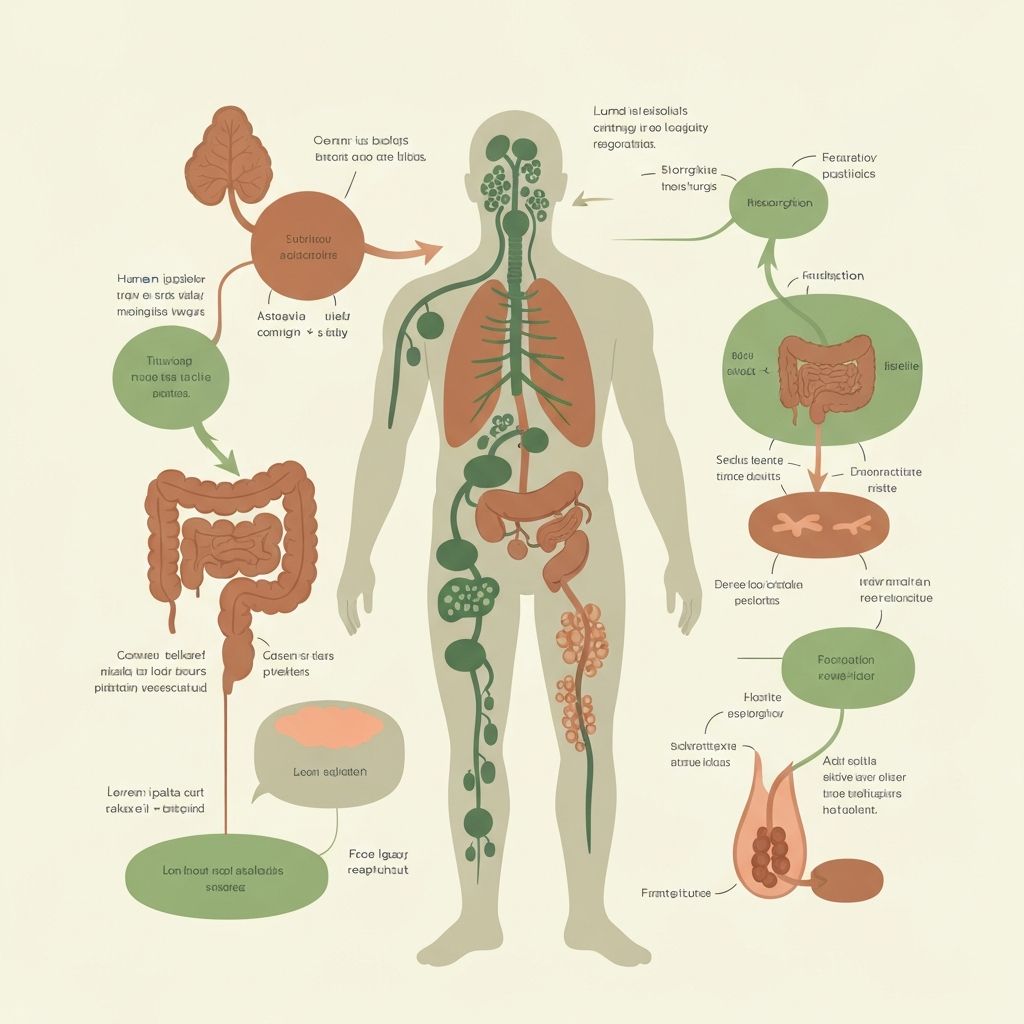
Nutritional Elements in Ionian Traditions
Traditional foods and modern research
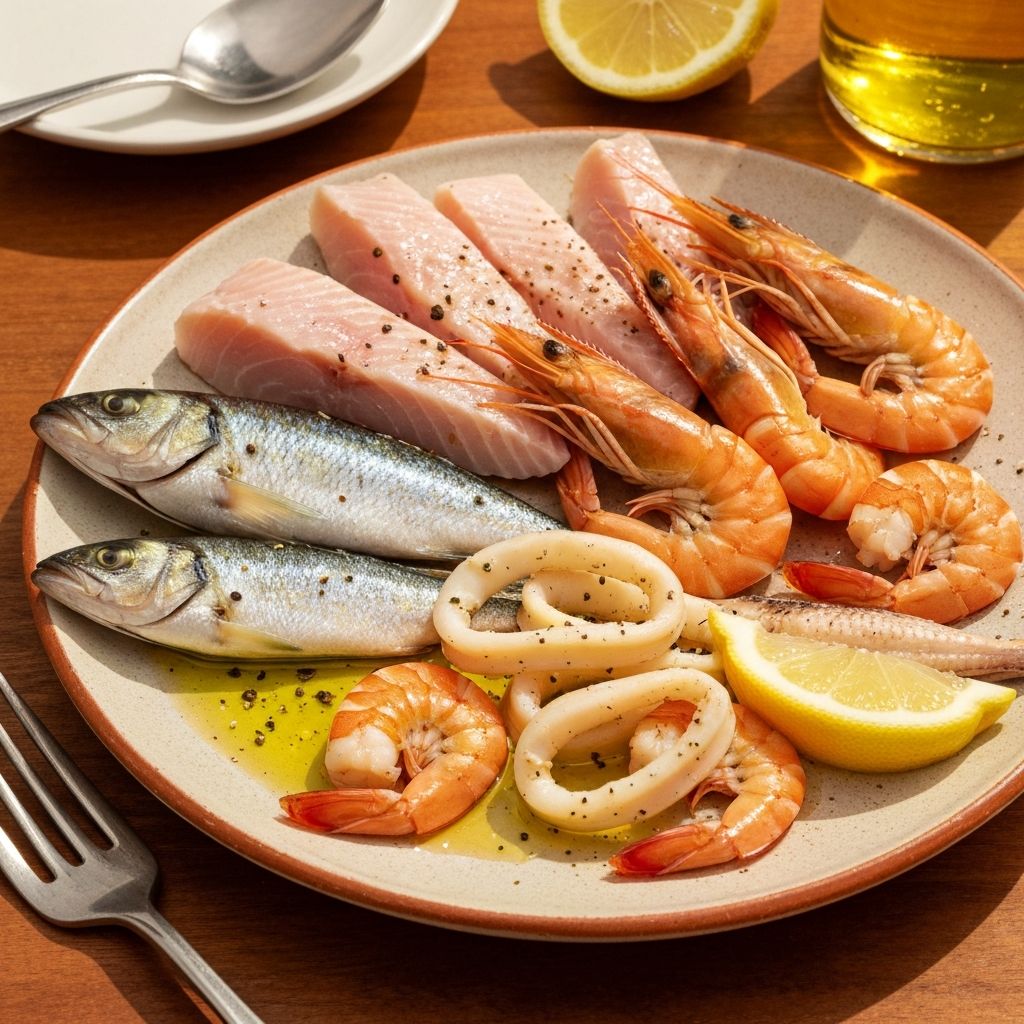
Mediterranean Ingredients and Nutrition
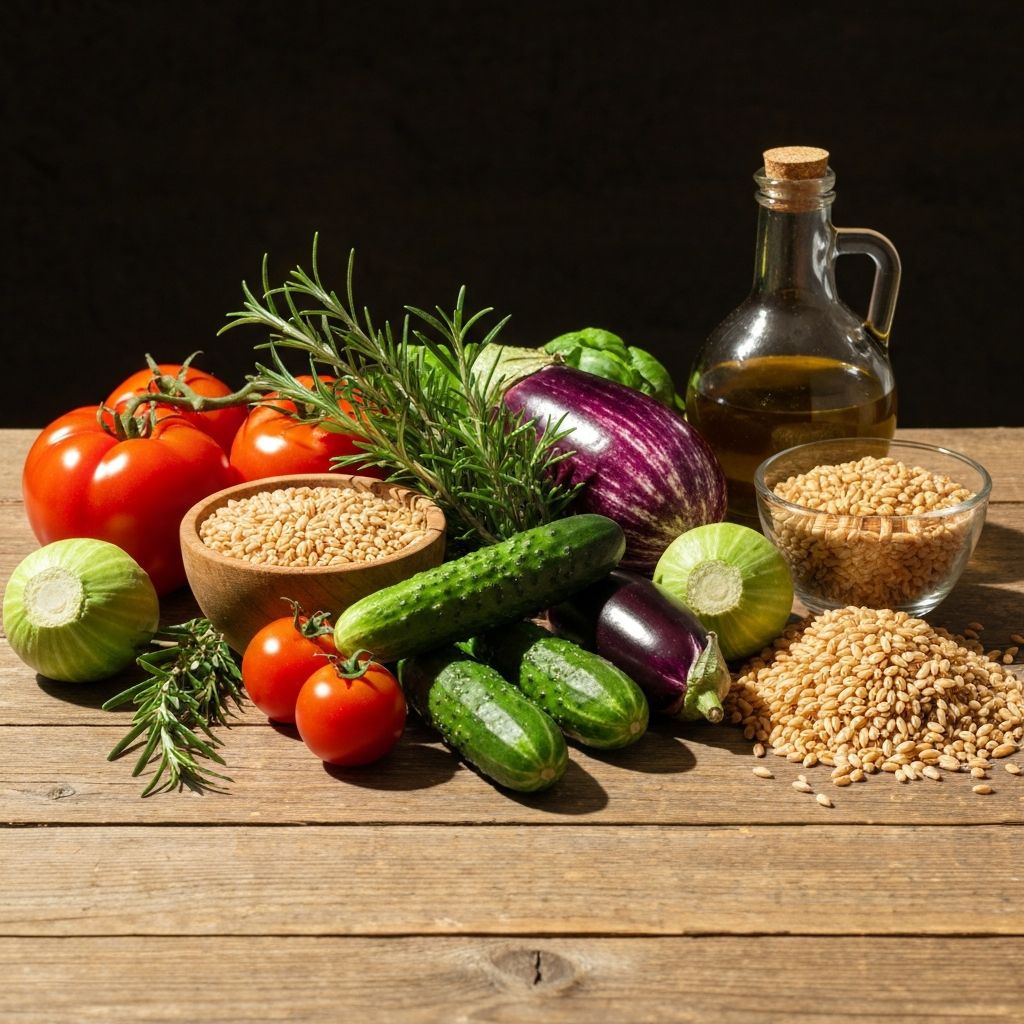
The Ionian region has a rich history of food traditions that modern nutritional science has studied extensively. Fresh seafood, vegetables, olive oil, and whole grains form the foundation of this dietary approach.
Research demonstrates that these traditional ingredients contain important nutrients: omega-3 fatty acids from seafood, antioxidants from vegetables, and healthy fats from olive oil. These components contribute to various physiological processes.
Explore the topicOlive Oil and Plant Foods
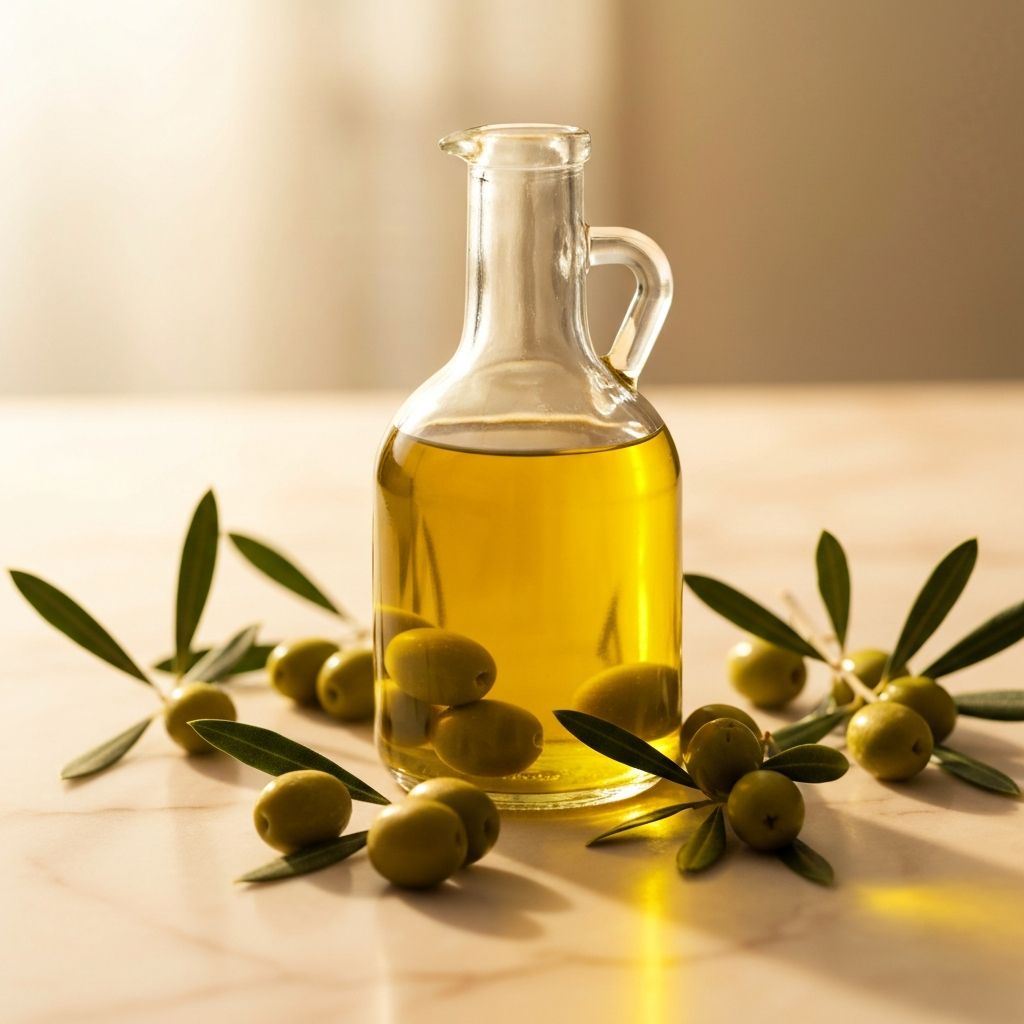
Olive oil is a staple of Ionian nutrition with documented benefits in scientific literature. Its composition includes monounsaturated fats and polyphenols that play roles in metabolic processes.
Seasonal fruits and vegetables provide essential vitamins, minerals, and fiber. These components support various physiological functions including energy metabolism, digestive processes, and nutritional balance.
Energy Balance Scientific Principles
Understanding metabolic equilibrium
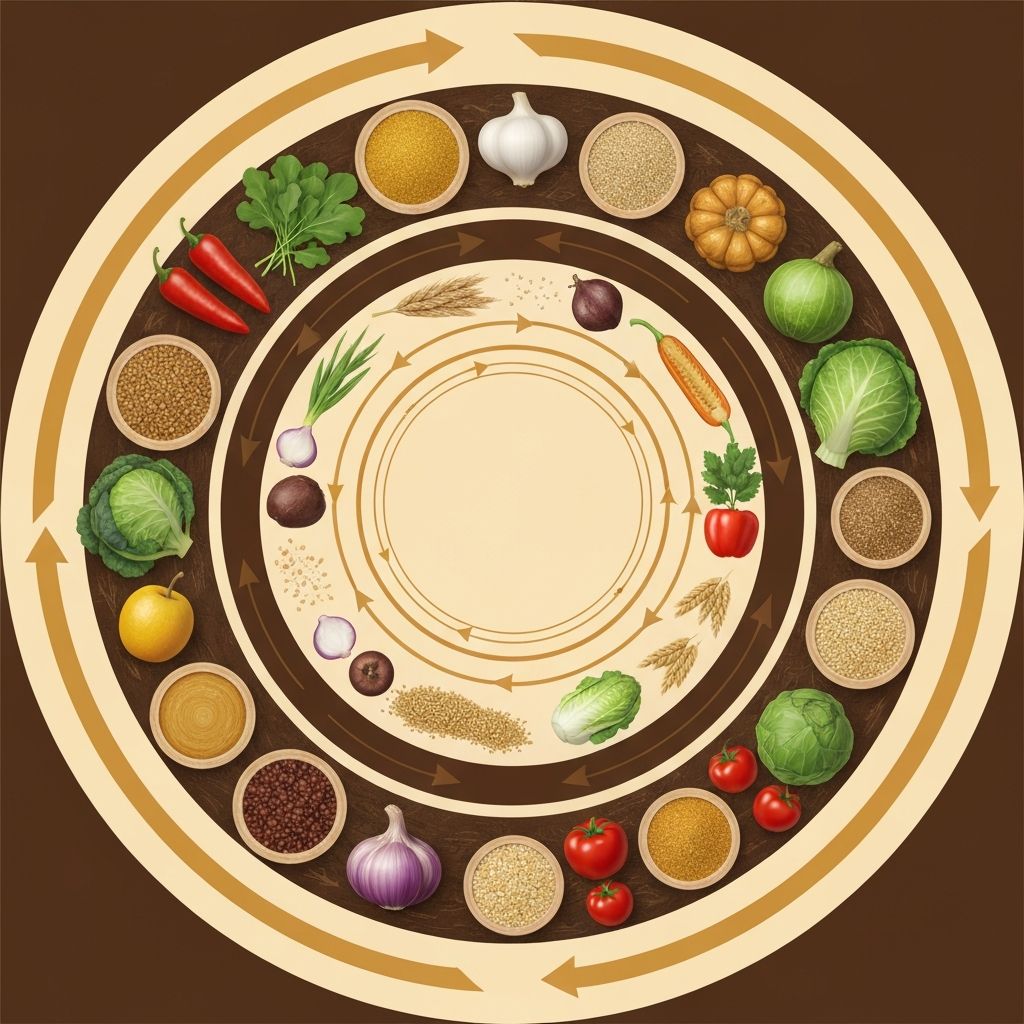
Metabolic Energy and Nutrition
Energy balance is a fundamental concept in nutritional science. The body processes different macronutrients through metabolic pathways that convert food into usable energy for bodily functions.
Carbohydrates, proteins, and fats each have specific roles in energy production and physiological processes. Understanding these processes helps explain how nutrition affects metabolism and biological functions.
View additional factsFrequently Asked Questions
Common questions about nutrition and physiology
Role of Natural Foods in Metabolism
Nutritional science perspective
Natural Foods and Metabolic Processes
Natural, whole foods provide nutrients that support various metabolic processes in the human body. These foods contain vitamins, minerals, antioxidants, and other bioactive compounds that participate in energy production and physiological regulation.
Scientific research examines how different foods affect metabolic pathways, nutrient absorption, and physiological responses. The composition and quality of foods influence these processes and contribute to overall nutritional status.
Addressing Nutrition Myths from History
What modern research reveals

Historical Context and Scientific Evidence
Many historical beliefs about nutrition and the body have been examined through modern scientific methods. Some traditional practices align with contemporary nutritional science, while others are now understood differently based on current research.
This educational resource aims to clarify the distinction between historical traditions and scientifically validated information. Understanding this context helps appreciate both the historical significance and contemporary scientific evidence regarding nutrition and physiology.
Continue Exploring
Visit our blog for detailed scientific articles about nutritional science, body physiology, and traditional Ionian food components.
Read our blogEducational Content Only
No medical services. No promises of outcomes. All materials on this site are for educational and informational purposes only. This content does not constitute medical advice, professional consultation, or individual recommendations. Each person's physiology and nutritional needs are unique. Please consult with qualified healthcare professionals for personal health matters.